Interior painting tips matter more than most homeowners expect. A fresh coat of paint can change how a space feels, how light moves through a room, and how long surfaces hold up over time. Still, results depend less on color choice alone and more on planning, prep, and process. When interior painting is done right, the finish looks clean, lasts longer, and feels intentional rather than rushed.
This guide breaks down practical interior painting tips in a clear, approachable way. It focuses on how professionals think through interiors so the end result looks polished and holds up to daily life.
Key Takeaways:
Why Interior Painting Results Depend On Preparation
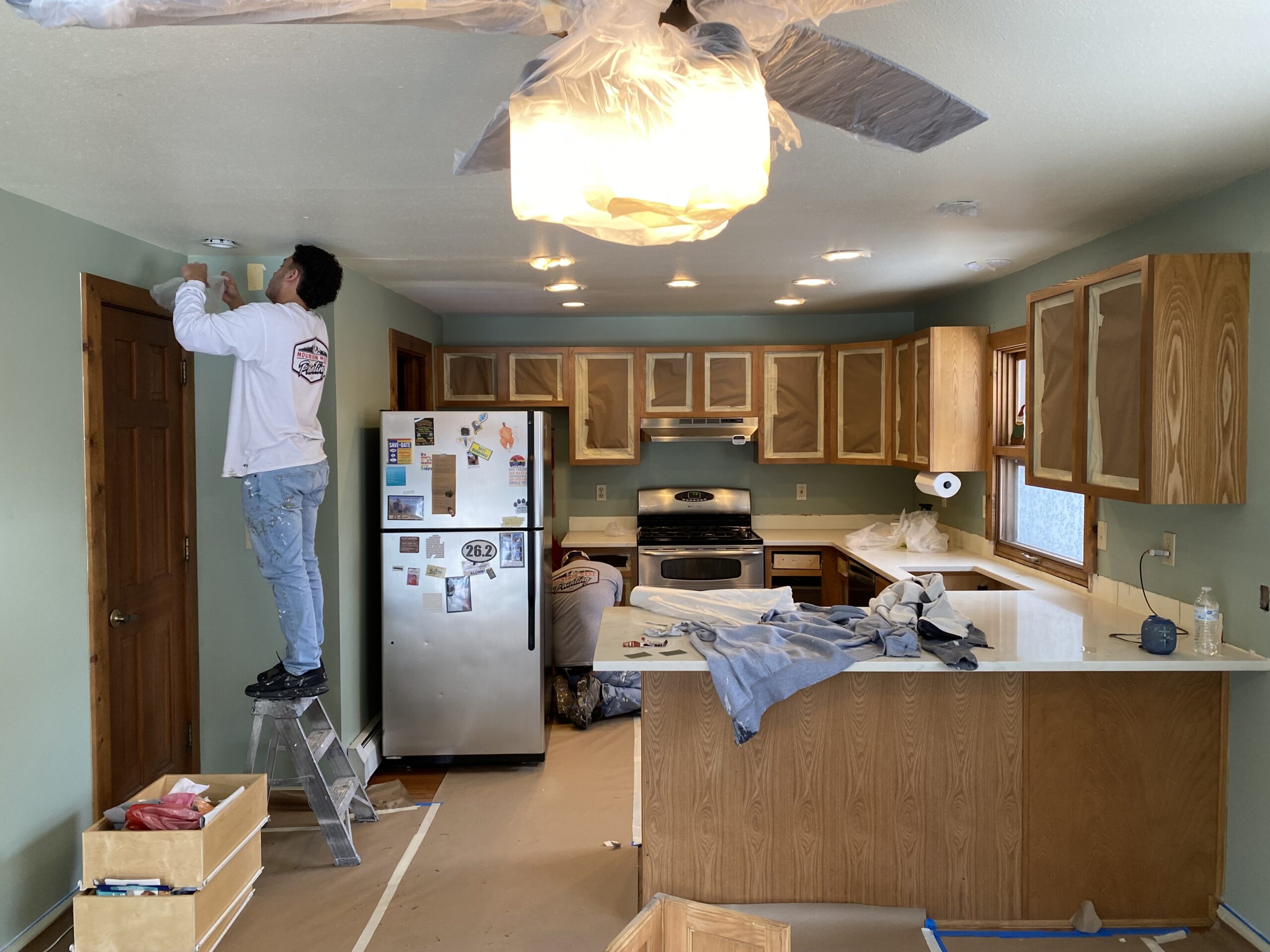
Most issues people notice later start long before paint is applied. Uneven texture, flashing, peeling, or visible repairs usually trace back to skipped prep. One of the most overlooked interior painting tips is slowing down at the beginning.
Walls collect dust, oils, and residue over time. Kitchens, hallways, and bathrooms tend to show this the most. Paint needs a clean surface to bond properly. Without that bond, even high quality paint can fail early.
Prep often includes:
- Cleaning walls with mild detergent and water
- Repairing nail holes, dents, and minor drywall damage
- Sanding rough or glossy areas for better adhesion
- Removing loose or peeling paint
- Caulking small gaps along trim or corners
Skipping any of these steps can shorten the life of the paint and affect how smooth it looks once dry.
Choosing The Right Paint Finish For Each Room
Finish plays a bigger role than many people realize. One of the most useful interior painting tips is matching sheen to how a room is used, not just how it looks.
Flat and matte finishes hide surface flaws well but are harder to clean. Satin and eggshell strike a balance between durability and softness. Semi gloss and gloss offer durability but highlight imperfections.
Common finish choices by space:
- Living rooms and bedrooms often use eggshell or satin
- Hallways benefit from satin due to higher traffic
- Trim and doors usually use semi gloss
- Kitchens and baths need finishes that handle moisture
Paint appearance also changes as it dries, which surprises many homeowners. Subtle shifts in tone are common depending on lighting and finish. This comes up often when comparing samples, which ties closely to does paint dry darker or lighter during the decision process.
How Color Selection Impacts The Final Look
Color choice affects more than style. It influences how large a room feels, how bright it looks, and how consistent walls appear across different lighting conditions. One of the more practical interior painting tips is testing color under real lighting, not just store lighting.
Natural light, artificial light, and bulb temperature all shift how paint reads on the wall. North facing rooms can make colors feel cooler. South facing rooms often intensify warmth.
Some helpful color planning considerations:
- Lighter colors reflect light and open up spaces
- Darker colors add depth but show flaws more easily
- Neutral tones offer flexibility with decor changes
- Consistent color flow helps connected rooms feel cohesive
Visual tools help narrow choices before committing. Many homeowners use digital previews early in the process, which is where paint color visualizer tools often come into play when narrowing options.
Surface Repairs That Affect Paint Longevity
Paint only performs as well as the surface beneath it. Minor drywall issues can become very noticeable once painted. Cracks, nail pops, and uneven patches reflect light differently and stand out.
Interior painting tips related to surface repairs focus on patience. Repair materials need full drying time before sanding or priming. Rushing this step leads to flashing, where repaired areas show through the finish coat.
Key repair steps include:
- Filling holes with appropriate patching compound
- Feather sanding edges for smooth transitions
- Spot priming repaired areas
- Checking walls under good lighting before painting
These steps help walls look uniform once the final coat is applied.
Moisture, Humidity, And Interior Paint Performance
Interior painting is affected by indoor conditions more than many expect. High humidity slows drying and can lead to streaks or uneven sheen. Bathrooms and kitchens are especially sensitive environments.
One of the more overlooked interior painting tips is choosing products designed for moisture control. Paints formulated for humid spaces resist mildew and hold up better over time.
Bathrooms and ceilings often require special consideration. Products designed for these areas differ from standard wall paint. This becomes especially relevant when choosing finishes and coatings discussed in the best paint for bathroom walls and ceiling based on moisture exposure.
Understanding Paint Adhesion And Coverage
Paint adhesion determines how long a finish lasts. Glossy surfaces, previously painted trim, and older coatings all affect how new paint bonds. Sanding and priming help create a surface paint can grip.
Coverage also depends on paint quality and application method. Thin coats applied evenly tend to perform better than heavy coats. Rushing coverage often leads to lap marks or inconsistent sheen.
Strong interior painting tips around adhesion include:
- Light sanding on smooth or glossy surfaces
- Using the right primer for the surface
- Allowing full drying time between coats
- Applying paint evenly without overworking it
These steps reduce peeling and extend the life of the finish.
Trim, Doors, And Detail Work Indoors
Trim and doors draw the eye more than walls. Small imperfections stand out quickly, especially with higher sheen finishes. This is where precision matters most.
Professional painters treat trim separately from walls. Different products, tools, and techniques are used to achieve a smooth finish without brush marks.
Common trim considerations:
- Semi gloss or gloss for durability
- Slower drying products for smoother leveling
- Proper brush selection for clean edges
- Adequate cure time before use
Finish choice comparisons often come up here, especially when weighing durability versus appearance like eggshell vs. semi-gloss paint for specific surfaces.
How Lighting Changes Paint Throughout The Day
Paint does not look the same at all hours. Morning light, afternoon sun, and evening artificial lighting all affect tone. One of the more helpful interior painting tips is viewing test areas at different times of day.
Rooms with large windows may shift dramatically from warm to cool. Artificial lighting can add yellow or blue tones depending on bulb type.
Lighting awareness helps avoid surprises after the project is complete and supports better long term satisfaction with color choices.
Why Paint Finish Impacts Cleaning And Wear
Interior walls experience daily wear from hands, furniture, pets, and cleaning. Finish determines how well paint resists scuffs and how easily marks can be removed.
Softer finishes hide flaws but stain more easily. Higher sheen finishes clean better but show imperfections.
This tradeoff often comes up when comparing finishes like satin paint vs. matte paint in living spaces, hallways, and bedrooms where both appearance and durability matter.
How Interior Painting Adds Long Term Value
Interior painting is one of the most visible upgrades inside a home. When done properly, it improves aesthetics and protects surfaces from wear and moisture. Neutral, well finished interiors also appeal to a wide range of buyers.
Quality interior painting supports:
- Cleaner looking spaces
- Easier maintenance
- Consistent room transitions
- Longer lasting wall protection
These benefits go beyond appearance and impact how a home feels day to day.
Final Thoughts On Interior Painting Tips That Last
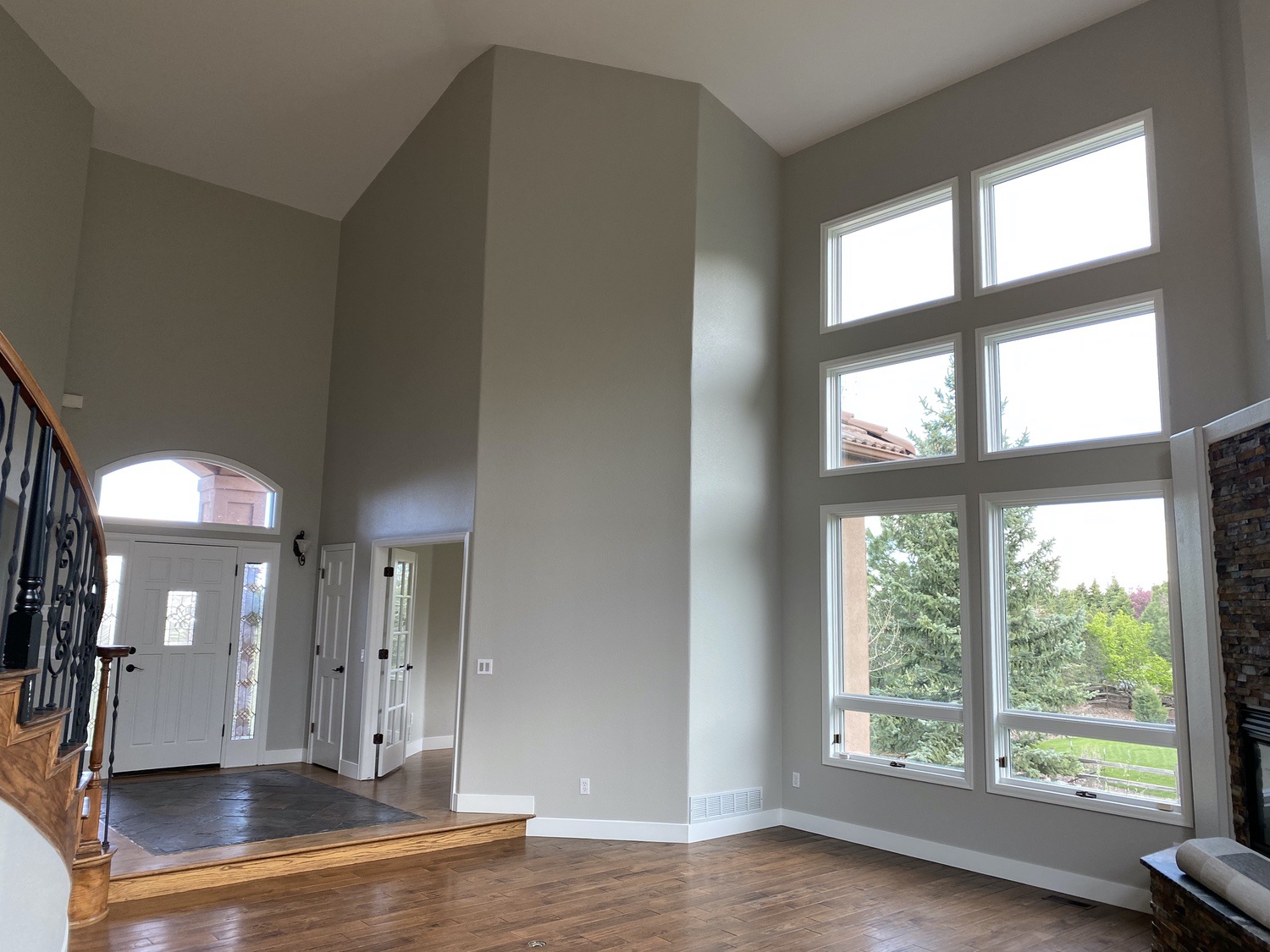
Interior painting tips are most effective when they focus on preparation, finish selection, and process rather than quick fixes. Clean surfaces, proper repairs, and thoughtful product choices all play a role in how paint performs over time. Small details like lighting, moisture, and sheen make a noticeable difference once the project is complete.
At Mountain West Painting, our approach focuses on preparation, product selection, and clean execution. Painters in Lakewood, CO understand how local climate and indoor conditions affect interior finishes. That experience helps guide product choices and application methods that hold up over time.
Our interior painting process includes:
- Careful surface evaluation before work begins
- Repairs that blend seamlessly with existing walls
- Paint and finish recommendations based on room use
- Controlled application for smooth, even coverage
- Detailed cleanup and final inspection
If you are planning an interior painting project in Lakewood, CO and the surrounding areas, Mountain West Painting is here to help guide the process.
Call us at 720-520-5505 for a FREE estimate and learn how our professional interior painting approach delivers results that hold up over time.