When homeowners compare satin paint vs. matte paint, the question usually sounds simple. In reality, the choice affects how a room looks, how it holds up, and how much maintenance it needs over time. The same color can feel clean and bright in one sheen and soft or muted in another.
This guide breaks down satin paint vs. matte paint in plain terms. Just how each finish behaves on real walls, ceilings, trim, and high use spaces so you can make a confident call.
Key Takeaways:
- Satin paint vs. matte paint impacts how light reflects, how color appears, and how wall flaws show over time.
- Satin paint offers better durability and cleaning resistance, making it a strong fit for kitchens, bathrooms, and hallways.
- Matte paint hides surface imperfections and creates a softer look, which works well in bedrooms and living spaces.
- Light exposure plays a major role in satin paint vs. matte paint decisions, especially in rooms with large windows.
- Choosing the right sheen by room use helps paint last longer and keeps maintenance manageable.
Why Sheen Choice Changes More Than You Think
Paint sheen controls how light moves across a surface. That light changes how color shows up, how flaws appear, and how the finish ages.
With satin paint vs. matte paint, the difference is not subtle once it is on the wall. One reflects light and resists wear. The other absorbs light and hides surface issues. That single choice can affect how often walls need attention later.
This matters in homes with kids, pets, bright windows, or older drywall. It also matters when color depth is a priority.
Understanding Satin Paint In Everyday Spaces
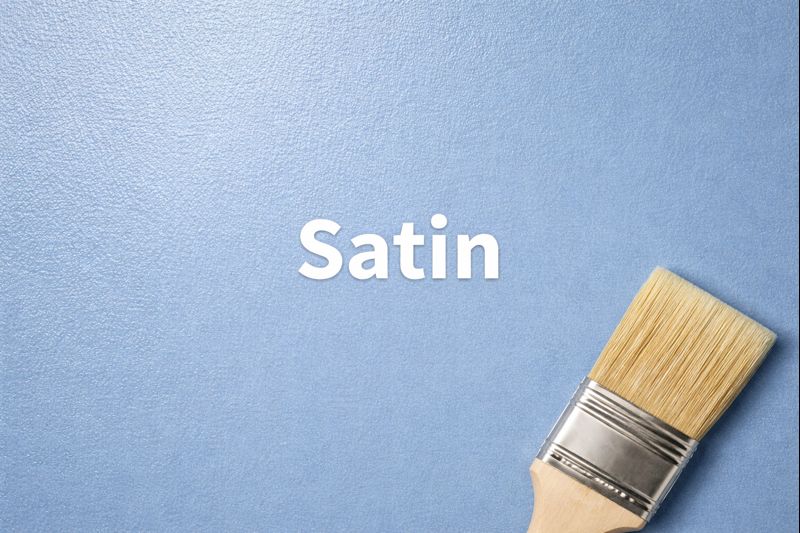
Satin sits in the middle of the sheen range. It has a soft glow without looking shiny, which makes it popular in homes where durability matters but gloss feels like too much.
You will often see satin paint used on:
-
Hallways and stairwells
-
Kitchens and bathrooms
-
Doors, trim, and windows
-
Laundry rooms and mudrooms
Satin paint reflects light, which helps colors feel brighter and cleaner. It also forms a tighter paint film, which means it handles moisture and repeated cleaning better than flatter finishes.
That extra durability comes from how the coat cures and bonds to the surface. The added resins improve adhesion, making it harder for water, grime, and mildew to settle in.
Where Satin Paint Falls Short
Satin paint does show surface issues more easily. Nail pops, uneven sanding, dust, and patched drywall can catch light and become noticeable. On long walls with strong daylight, that sheen can feel distracting if the surface prep was rushed.
It also costs more than matte paint because of the added binders and resins used to create the sheen.
Matte Paint And Why It Still Has A Place

Matte paint has little to no sheen. It absorbs light instead of reflecting it, which gives walls a soft and uniform appearance.
In the satin paint vs. matte paint discussion, matte often wins when surface quality is less than perfect. Older drywall, textured walls, and patched areas benefit from a low sheen finish.
Matte paint works well in:
-
Bedrooms
-
Dining rooms
-
Living rooms
-
Ceilings
Because matte contains a higher ratio of pigment to binder, colors often appear richer and more even. This is one reason darker tones feel deeper in matte finishes.
If you have ever wondered why a color looks different after it dries, sheen plays a role. That shift is explained in does paint dry darker or lighter, which connects directly to how satin paint vs. matte paint handle light.
Limits Of Matte Paint
Matte paint is less forgiving with wear. Scuffs, fingerprints, and marks do not clean as easily. Repeated wiping can burnish the surface, creating shiny spots that stand out.
In kitchens, bathrooms, or areas exposed to moisture, matte paint may struggle unless the space has strong ventilation and limited wall contact.
Light, Color, And How Each Finish Responds
Light exposure is one of the biggest deciding factors between satin paint vs. matte paint.
Satin Paint With Natural Light
Satin reflects light, which can make rooms feel larger and brighter. In spaces with moderate daylight, this works in your favor. However, in rooms with large windows or direct sun, reflections can highlight wall texture and imperfections.
Color selection also matters. Lighter colors paired with satin often feel crisp. Darker colors can show unevenness more easily.
Matte Paint With Natural Light
Matte absorbs light, softening glare and minimizing surface flaws. This works well in rooms where calm, depth, or warmth matters more than brightness.
In low light rooms, matte paint can make spaces feel smaller. Choosing the right color helps balance that effect. Tools like paint color visualizers can help preview how satin paint vs. matte paint will behave before final decisions are made.
Durability And Daily Wear Compared
Durability is where satin paint vs. matte paint separates clearly.
Satin paint creates a stronger paint film during curing. That film resists moisture, fingerprints, and light scrubbing. It holds up better in high traffic areas and near windows, where condensation and temperature changes are common.
Matte paint lacks that elasticity. It can scuff more easily and may show wear faster when exposed to repeated contact.
This difference comes down to how the finish forms as it dries. The chemistry behind this process is covered in paint film formation process, which explains why satin performs better in active areas.
Texture And Feel On The Wall
Touch matters more than people expect.
-
Satin paint feels smoother and slightly slick due to its resin content.
-
Matte paint feels softer and sometimes chalky, especially in darker colors.
That tactile difference contributes to how a room feels overall. Satin reads cleaner and more polished. Matte reads relaxed and muted.
Cost Differences And What Drives Them
Matte paint generally costs less per gallon than satin paint. The reason is simple. Higher sheen finishes require more additives, resins, and processing.
That price gap grows on larger projects. Still, choosing matte to save money can backfire if the space needs durability. Repairs and repainting often cost more long term.
Choosing The Right Finish By Room Type
Instead of choosing by habit, compare satin paint vs. matte paint room by room.
High Use Areas
-
Satin paint performs better
-
Handles moisture, cleaning, and contact
-
Common in kitchens, baths, hallways
Low Use Or Feature Spaces
-
Matte paint creates depth and hides flaws
-
Works well for bedrooms and dining rooms
-
Ideal for ceilings and older drywall
Exterior spaces require different logic entirely. Sheen affects weather resistance, water exposure, and surface protection. Those factors are addressed in exterior paint types, which break down how finishes behave outdoors.
Common Myths About Satin Paint Vs. Matte Paint
Some assumptions come up often and deserve clarification.
-
Matte paint is not always lower quality. It simply serves a different purpose.
-
Satin paint is not too shiny for walls when surface prep is done right.
-
Dark colors do not require matte finishes by default.
Performance depends on prep, product selection, and where the finish is applied.
Final Thoughts On Satin Paint Vs. Matte Paint
Choosing between satin paint vs. matte paint comes down to how a room lives day to day. Satin offers durability and easier cleaning. Matte delivers softness and hides imperfections. Neither option is better across the board.
The right choice depends on light, traffic, moisture, and surface condition. When those factors are matched correctly, paint lasts longer and looks better year after year.
Our painting process and how we help:
-
Evaluate each space individually, not by default rules
-
Prep surfaces thoroughly for consistent results
-
Apply finishes suited for real wear and real homes
-
Review final sheen and color under proper lighting
If you want guidance that accounts for your home and not a generic checklist, Mountain West Painting serves Evergreen, Golden, Lakewood and the surrounding areas.
Call us at 720-520-5505 for a FREE estimate and a clear plan built around how your space is actually used.