Choosing paint colors can feel a bit unpredictable, especially when you’re trying to figure out does paint dry darker or lighter once it settles on the wall. If you’ve ever held a swatch in great lighting at the store, then brought it home and felt like it shifted a touch, there’s a pretty normal reason for that. Light, temperature, finish, primer, and even the surface itself can change how a color appears as it dries.
Homes in Evergreen, CO add another layer to this, since the natural lighting changes throughout the day and the climate tends to swing between dry and cool. All of these small things play a part in how the final shade turns out. That’s why it helps to understand what actually causes paint to look slightly different once it’s dry.
We’ll walk through the most common reasons paint shifts in color, how to spot it early, and what helps you feel confident about the shade you choose before the first coat even goes on.
Key Takeaways:
- Paint can look slightly lighter when wet and settle deeper as it dries, depending on product type and lighting conditions.
- Acrylic, latex, and oil based paints each dry at different speeds, which affects how the final shade appears.
- Primer color influences how accurate your paint shade looks once fully cured.
- Evergreen CO climate and room lighting can shift the way colors show up on interior and exterior surfaces.
- Finish choice like satin, eggshell, or matte changes how much light reflects off the paint and how the color reads once dry.
How Wet Paint Looks Compared To Dry Paint
When people ask does paint dry darker or lighter, the short answer is that wet paint usually looks lighter and then darkens as the water or solvent evaporates. The longer answer depends on the paint you choose, the surface underneath, and the room conditions.
Wet paint reflects light differently because the surface is shiny and still full of moisture. As it dries, that shine disappears, and the true pigment comes forward. This is why homeowners often worry their color dried a little deeper or richer than expected.
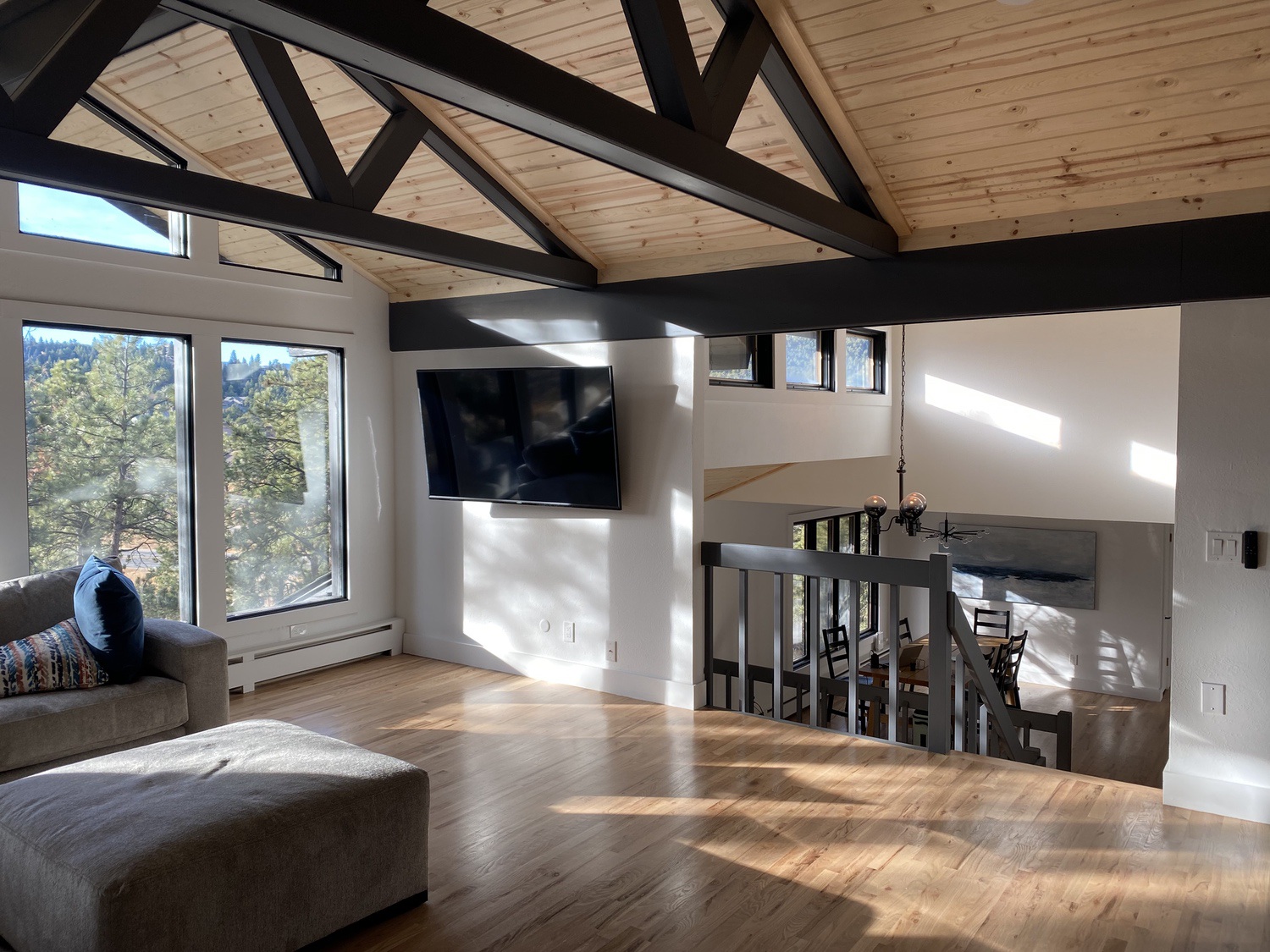
Your lighting will also affect how you see the shade. A room with big windows might make a color look different than a cozy hallway with very little light. If you have ever used paint color visualizers before choosing a color, you have already seen how big of a difference light can make.
Type Of Paint And How It Affects Color
One thing people don’t always realize is how much the type of paint plays into the whole conversation of does paint dry darker or lighter. Each formula dries at its own pace, and that pace is what changes how the color settles.
- Acrylic paint is usually the most predictable. It dries fairly quickly, and the shade you see when it’s wet doesn’t shift much as it cures. I like it for cabinets, trim, and metal surfaces because it levels nicely and doesn’t surprise you once it’s dry.
- Latex paint is also water based, but it slows down a bit as it dries. That extra time can make the final shade look a touch deeper than what you saw in the first few minutes. It’s the go to for interior walls and ceilings, and it also works well on siding, stucco, concrete, and other areas that need a flexible, durable finish.
- Oil based paint takes its time. The pigment is heavier, and the drying process is longer, so the color usually settles darker and more opaque. It’s still a strong option for high traffic spaces like kitchens, bathrooms, and hallways because it holds up well and creates a tough finish.
Each paint type brings its own personality, and understanding those differences makes picking a color a lot less stressful.
How Primer Color Influences The Final Shade
Primer seems simple, but it has a clear impact on does paint dry darker or lighter. A white primer under a light color helps keep the shade closer to what you saw in the fan deck. A gray primer under dark or saturated paint helps prevent the finished look from appearing washed out or too bright.
If you are painting brick, masonry, stucco, or siding, primer becomes even more important because those surfaces absorb paint differently. A gray base can help avoid that chalky look when working with deeper tones. This matters especially for exterior projects in Evergreen CO, where sunlight is stronger compared to shaded or north facing homes.
For interior projects like cabinets and doors, the wrong primer can also cause the color to appear different after drying. If you have ever wondered why humidity creates problems in coated surfaces, our blog on painted cabinet issues with moisture ties directly into this.
Paint Finish And How It Affects Color
While many homeowners focus on the color itself, the finish plays just as big of a part in how the final shade settles. When talking about does paint dry darker or lighter, the finish changes how much light hits the surface and how the pigment reflects it.
Here is a simple breakdown:
- Gloss and semi gloss reflect more light and can make a paint color look deeper.
- Satin tends to settle slightly deeper once cured.
- Eggshell often lands close to the fan deck shade.
- Flat or matte absorbs light and may appear a bit lighter.
Finishes also interact differently with surfaces like wood, metal, siding, concrete, and even older stucco. A wall with a lot of texture absorbs paint faster, which can make the color appear softer or slightly lighter.
Why Temperature And Humidity Matter In Evergreen CO
Evergreen has its own climate quirks. One day is dry and cool, then the next day warms up. These swings affect does paint dry darker or lighter because they change how fast the paint dries.
Here is how the environment affects color:
- Cooler temperatures slow drying. Slower drying often deepens the final shade.
- Warm conditions can speed up drying. Fast drying might create a lighter look.
- High humidity slows evaporation. This can deepen the color and sometimes lead to uneven patches.
- Low humidity dries the surface quickly. This can cause issues beneath the top layer, especially on exterior siding, concrete, or porches.
This is also why painters often adjust their work schedule based on weather. Some conditions are better for exterior paint types than others. If you want more detail on that topic, take a look at different outdoor coating options because the product on your siding or brick will change how the color settles.
Does A Second Coat Make Paint Look Darker?
Adding a second coat usually makes the color more accurate to the swatch because it evens out the pigment. Many people think the second coat makes the shade darker, and sometimes it can, but the real reason is that it covers inconsistencies from the first pass.
A few things influence how the second coat affects the final color:
- How porous the wall or siding is
- The type of paint like latex, acrylic, or oil
- Dry time between coats
- Whether the primer was applied evenly
- The surface material like wood, brick, or drywall
Every layer strengthens adhesion, improves coverage, and reduces the chance of streaks. When all layers dry completely, you see the truest version of the chosen color.
How Lighting Affects Perception Of Color At Home
When answering does paint dry darker or lighter, the room lighting is just as important as the paint itself. Natural light, LED bulbs, warm lighting, and cool lighting all bring out different tones.
For example:
- North facing rooms in Evergreen CO tend to show cooler undertones.
- West facing windows warm up colors during late afternoon.
- Rooms without much light will naturally make colors look deeper.
Holiday seasons often change lighting setups indoors. If you read our article on seasonal indoor color choices, you will notice how different bulbs and decorations shift the way walls appear.
Tips To Get The Right Shade Without Guesswork
Here are a few simple ways to feel confident about your color decisions, especially when thinking about does paint dry darker or lighter.
- Look at the color in both daytime and evening.
- Compare it in different rooms if you have open layouts.
- Mix the paint thoroughly so pigment spreads evenly.
- Pay attention to the type of finish.
- Use the right primer for the chosen shade.
- Take note of how textured surfaces like stucco, brick, siding, or masonry absorb paint.
Small things make a noticeable difference once everything dries.
Final Thoughts Over Choosing The Right Paint Shade
Understanding does paint dry darker or lighter can save you time, stress, and confusion during a project. Temperature, humidity, primer, finish, and lighting all influence the final shade. When everything is planned out from the start, the color on your walls will land exactly where you want it.
At Mountain West Painting, our process focuses on clarity from the beginning. Here is how we make that happen:
- We walk through your home and study how light hits each room.
- Help you match shades to the correct primer and finish.
- Consider temperature shifts in Evergreen CO that may impact drying.
- Prepare surfaces properly for better adhesion and consistent results.
- Use high quality acrylic paint or latex options suited for the surface.
- Stay with you through final walkthrough so you feel confident about every coat.
If you need experienced interior painters in Evergreen, CO, or want help choosing colors that dry exactly the way you expect, our team is here to support you.
For reliable painting help in Ken Caryl, Castle Rock, Summit County and the surrounding areas, call us at 720-520-5505 for a FREE estimate.